Energy Rebate Search Tools

Okay, this isn’t an infomercial on how to get free money from the government, but there are many government entities and public utilities that still offer significant rebates for consumers and businesses that invest in energy efficiency projects, appliances, and equipment.

After all, who doesn’t like to get money back right?

There are a couple websites where you can go to research available rebates that may help you recover some of your project costs..

The Database of State Incentives for Renewables and Efficiency or DSIRE is a comprehensive source of information on state, federal, local, and utility incentives and policies that support renewable energy and energy efficiency. It was established in 1995 through funded from the U.S. Department of Energy.

The U.S. Department of Energy has a search tool that allows users to filter down through a database of rebates by state, economic sector, type of product/project and the provider of the rebate.

Hopefully these tools will help you save money on your energy related projects while lower your energy consumption and contributing toward a sustainable energy future.

Rebate: Boulder County, CO

We’ve found a new rebate available for the good people in Boulder County, CO. The EnergySmart program is now offering up to $500 for a Whole House Fan installation. $500! So what’s the catch? The rebate is for homes with an existing AC system and the installation must be completed by a contractor in the EnergySmart program. Check out the program details here.

If you’re not in  Boulder County, CO many other municipalities and utilities offer WHF rebates. Take a look at our blog covering the full list of rebates we have found so far:

                                            https://blog.airscapefans.com/archives/new-whf-rebates

Fan Test Lab part 2 – Construction and Fan Installation

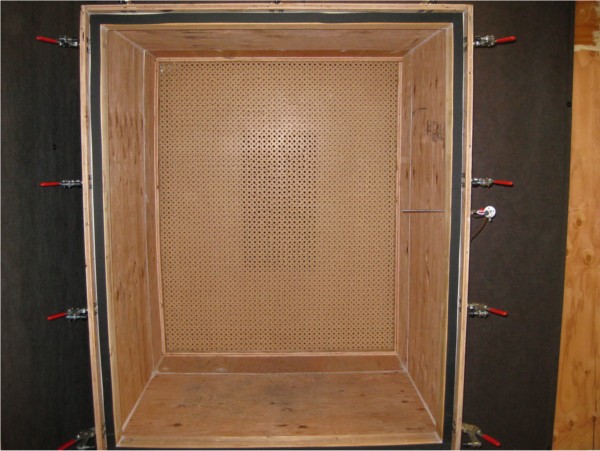
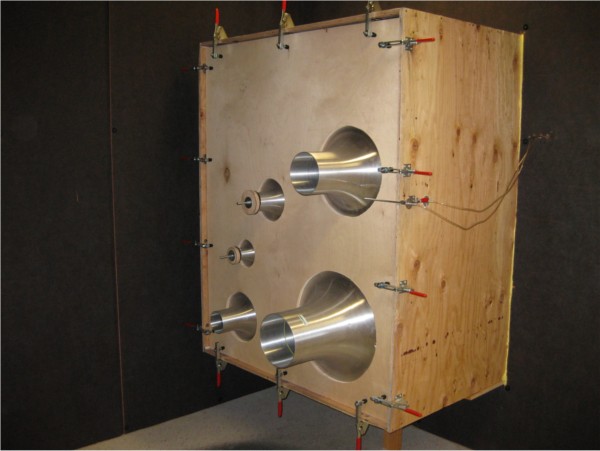
We gutted an old shipping office to use as the structure of our new test lab. The biggest challenge was making it as airtight as possible (the testing standard does allow for a minimal amount of leakage).

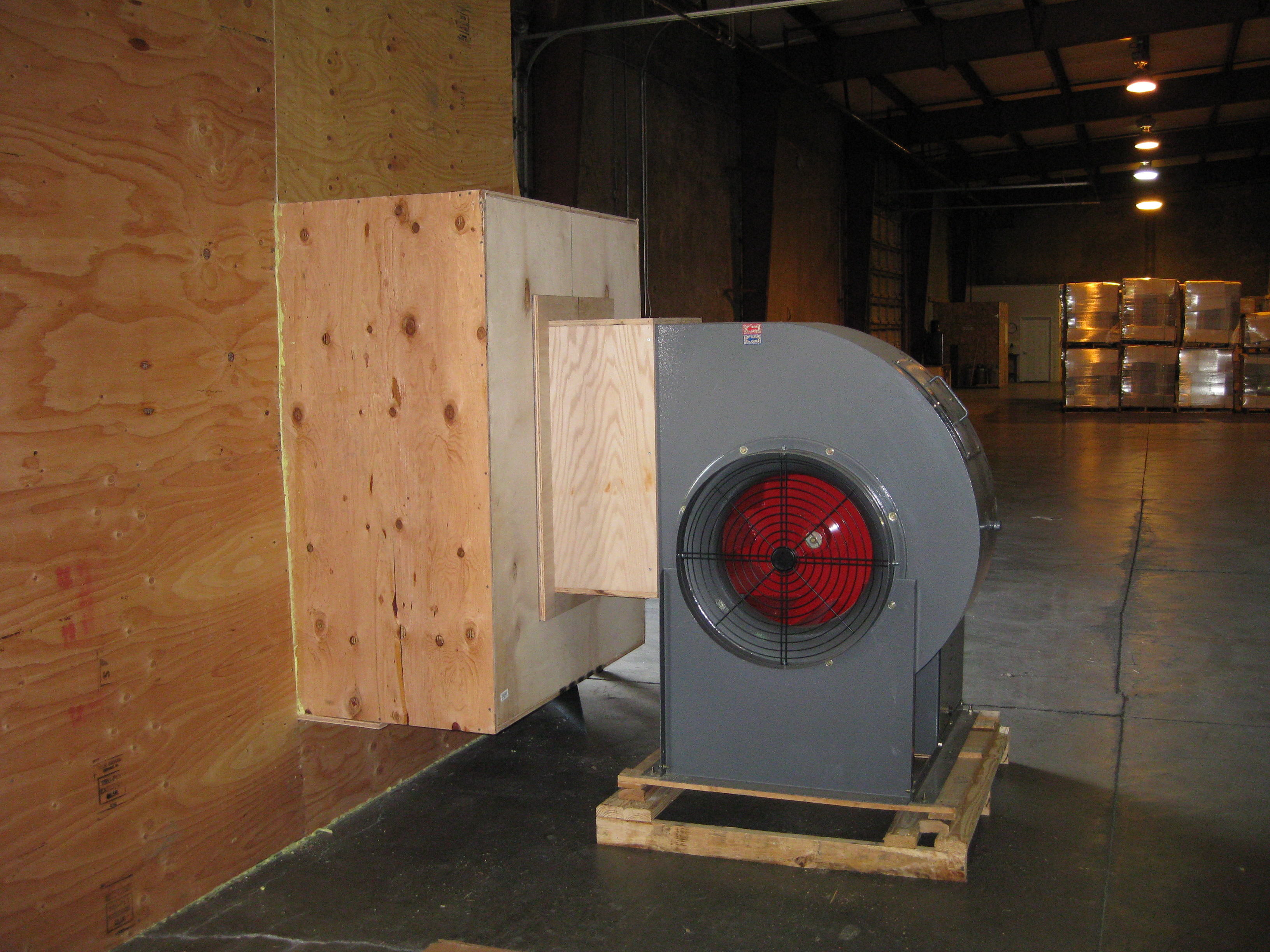
A S&P CM Series Belt Driven Blower about to be installed.This giant fan provides incoming air and is capable of 500 to 8,000 CFM. We are also able to install a smaller less powerful fan to provide incoming air for fans that move less than 500 CFM.

Check back soon for more photos

Fan Test Lab part 1 – Out With the Old, In With the New

A little while ago we began to revamp and rebuild our fan test lab to make it bigger, better, and easier to use. We thought it would be fun to share some of the pictures of the construction of this new test facility.

A little background: We test all of our units to ensure that when we say it is 1710 CFM and 157 watts, that it is actually 1710 CFM and 157 watts. All of our Whole House Fans (WHF) are tested as you would install them in your home. Often the other guys will just test the fan itself and “forget” to test their WHF as a system (damper box, fan, duct, and grille). This kind of testing leads to misleading results, specifically greater CFM and lower watts than when installed as a system.

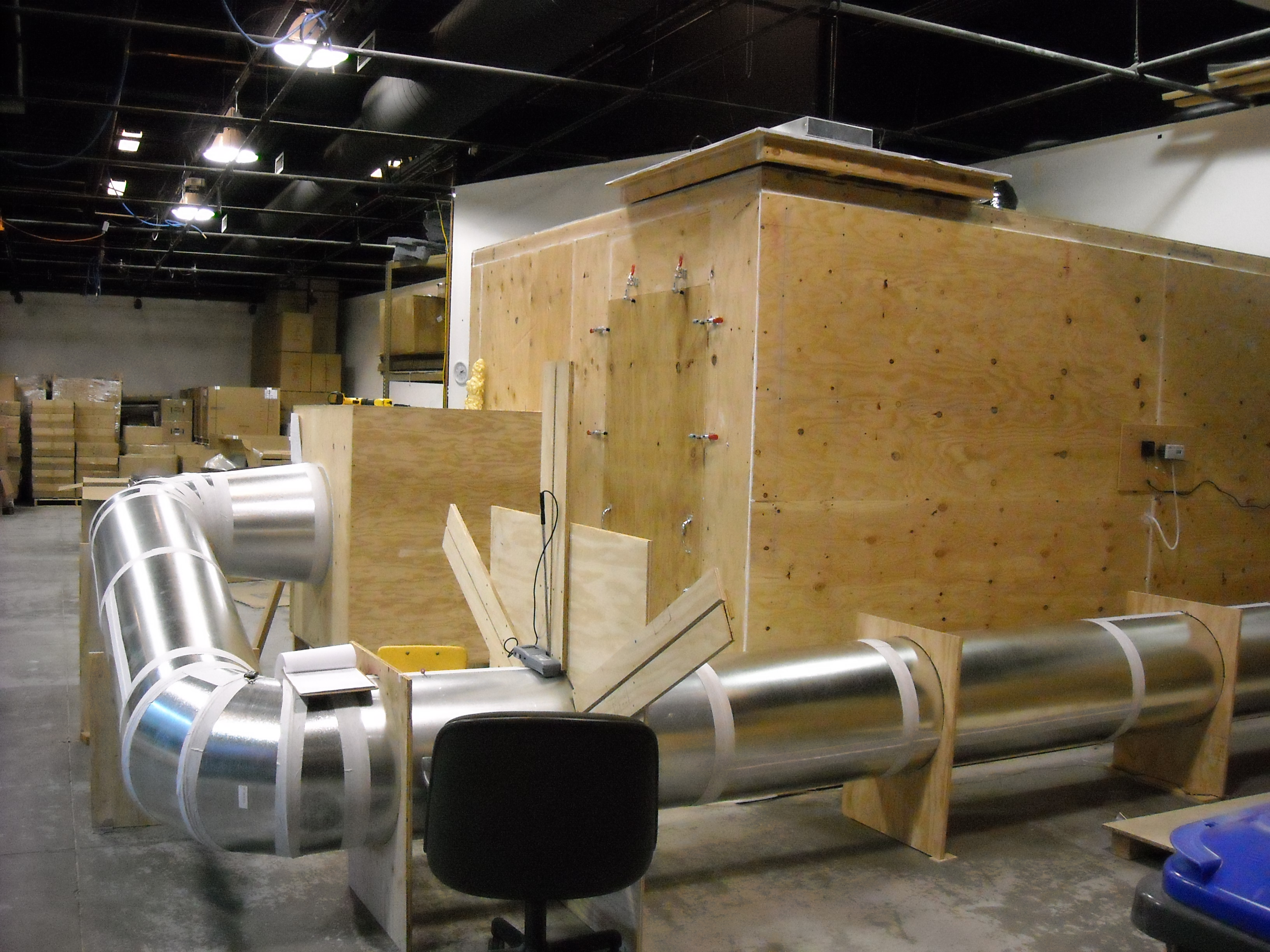
The old: This facility used a traverse method of testing airflow. We used a calibrated and certified hot wire anemometer to test air velocity. Soon after this picture was taken we straightened the silver tube, as we found the two bends were causing pressure waves affecting the testing.

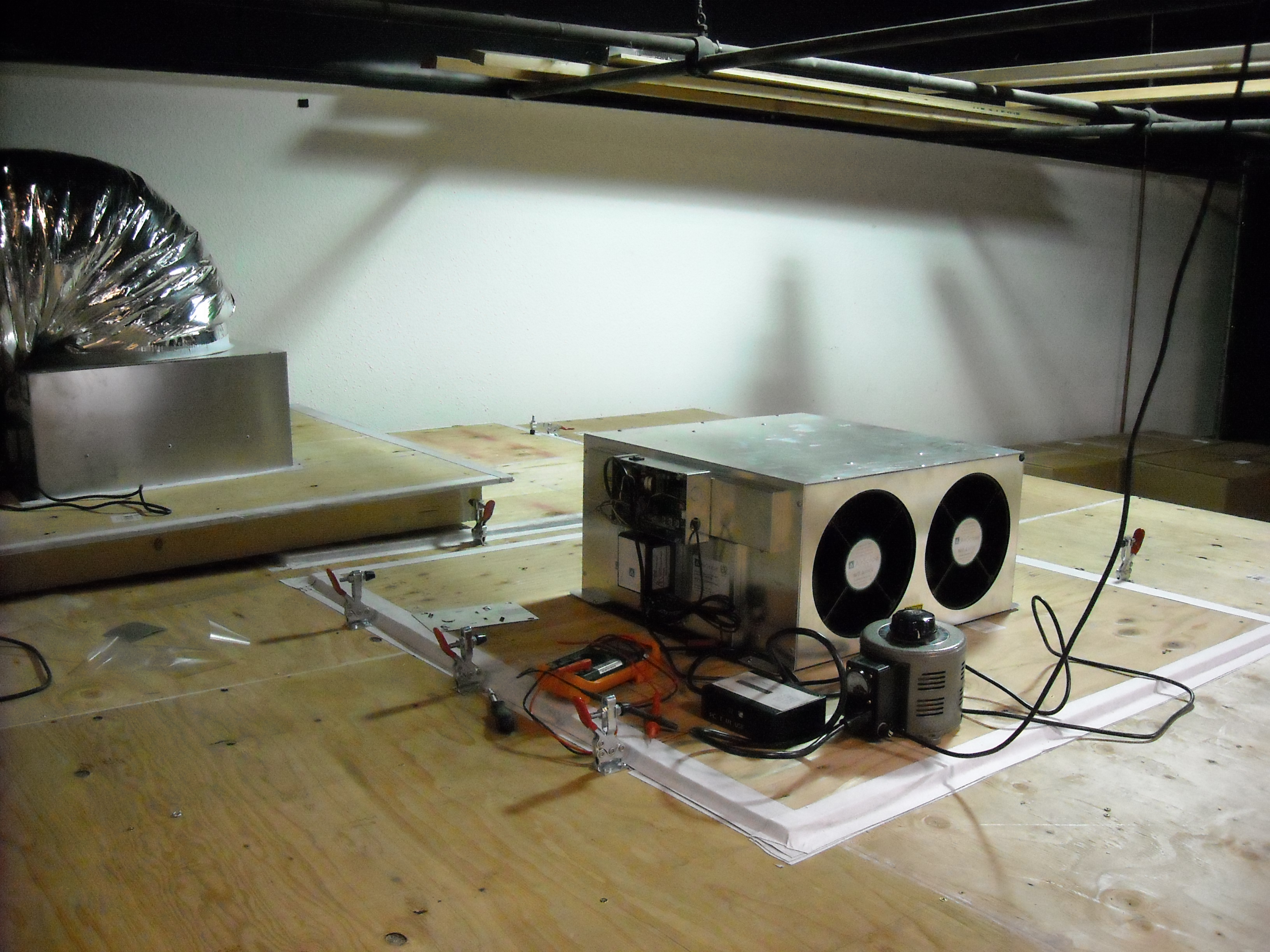
Testing: A 1.7 WHF about to be tested as installed in the attic. We used a multimeter and a power meter, both calibrated and certified, to measure volts and watts.

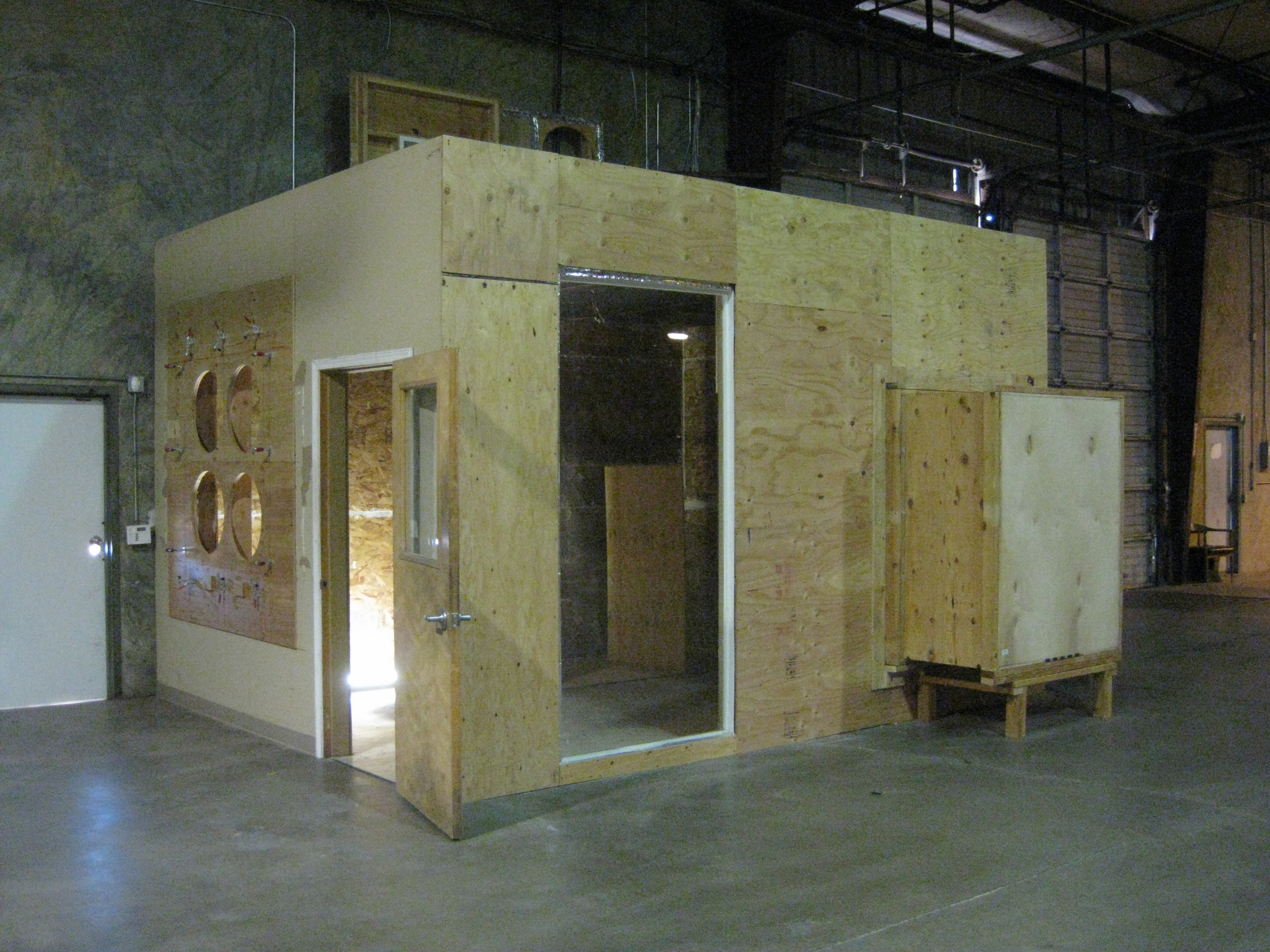
The new: The new and improved test lab under construction at our warehouse in Medford, OR. Check back soon for more pictures of the construction process.