 About neil
Saving money on cooling
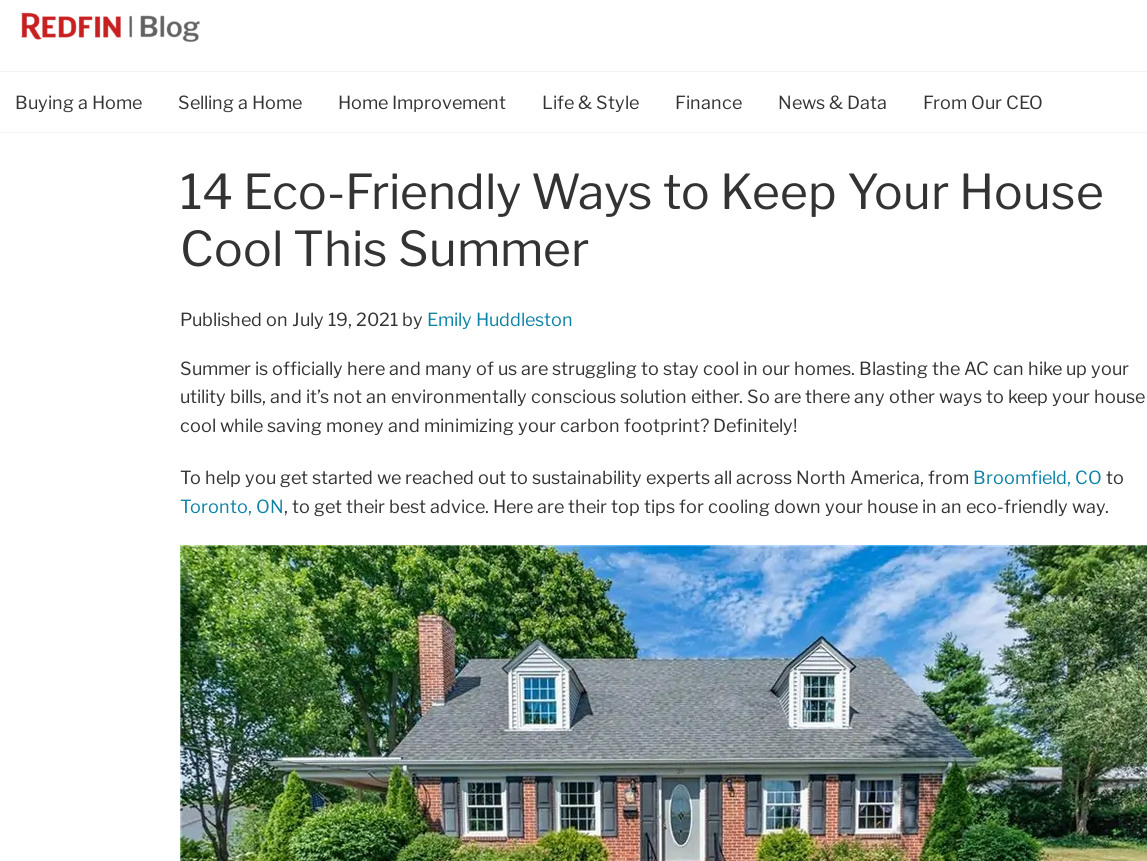
We love houses, and so do our friends at Redfin – the very cool and informative real estate website. They just published this article , which has some great tips on keeping your house cool this summer.
Keeping you cool, while saving energy – that’s a core part of our business, so we’re happy to see our tip mentioned. And what do you know ? We suggested whole house fans.
New Patent Issued for AirScape
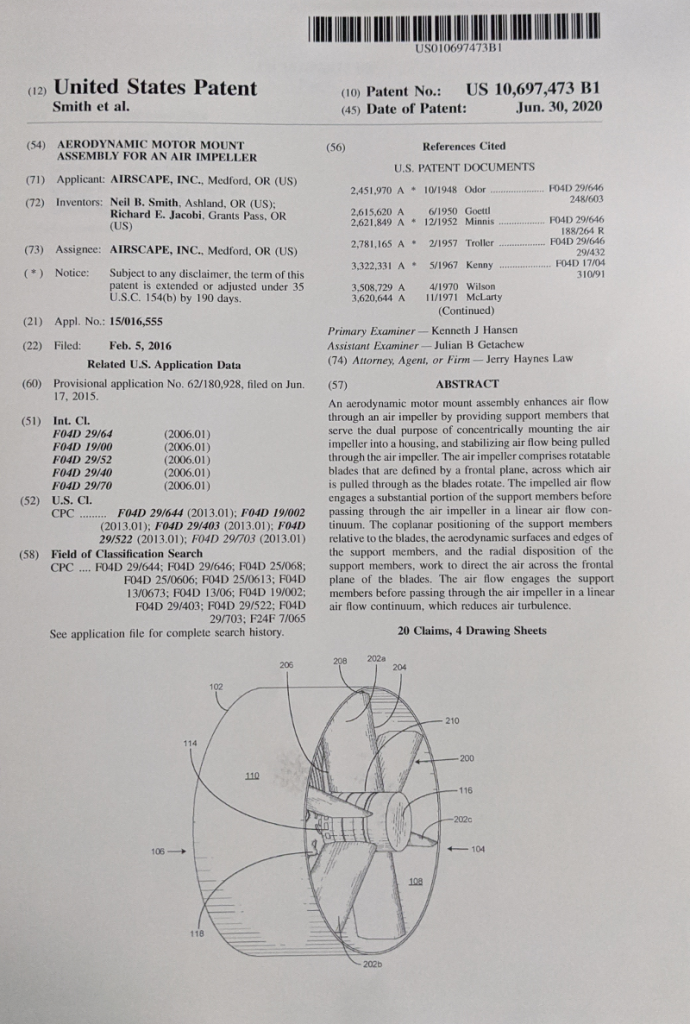
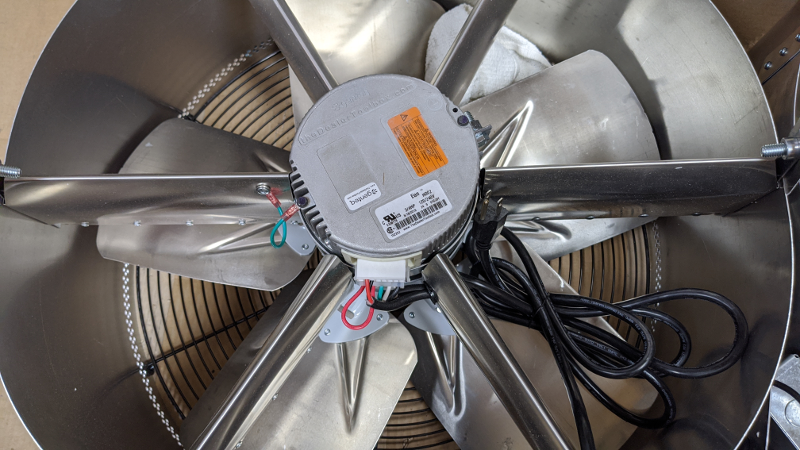
We just got a patent on a technology that we’ve been using on our whole house fans. The use of motor aerodynamic motor mounts allows us to get an average of 17% more airflow.
Q-CFM What kind of CFM is that ?

If you’re reading the blog post, you probably noticed that we have a new measurement of airflow shown on our website. CFM is a common abbreviation for Cubic Feet per Minute. This is a measure of how many cubic feet of air a fan moves per minute.
The new measurement is based on our creation. The Q-CFM™.
You’ve probably also noticed that the Q-CFM™ number is about 30% higher than the official (and correct) airflow rating that we obtain through rigorous testing.
We have devised this (tongue in cheek) rating system to counter and illustrate some misleading information. One of our competitors is routinely advertising and using airflow numbers that are well over 30% higher than the official airflow rating that they submit to the California Energy Commission.
So, the Q-CFM™ is an abbreviation for Quackery Cubic Feet per Minute.
If you have any questions about how we measure and report airflow, please feel free to email or call us on the phone. We’re happy to chat.
Truth in AirFlow
It’s easier to fool people than to convince them that they have been fooled.
-Mark Twain
We here at AirScape have spent a lot of time and effort testing and ensuring that our products provide the airflow and the energy use that we state. Take a look at this interesting video of our test chamber.
We just heard that one of our competitors (QC Manufacturing aka Quiet Cool Fans) has entered into a settlement agreement with the California Energy Commission. The most important part of that agreement is this:
“From December 15, 2015, to July 18, 2016, QC sold or offered for sale either directly or through retailers, distributors, or installers whole house fans in California that were listed in the Database with greater air flow and air flow efficiency data than could be verified by the Commission’s testing laboratory, in violation of sections 1606(a)(3)(E)(l) and 1608”
There are no Federal standards other than truth in advertising laws to specifically keep people in our industry honest. So we are grateful to the California Energy Commission for ensuring that customer receive what they paid for.
Thanks to our great customers and we look forward to keeping your homes cool this summer !
Here are some useful links.
DMP Additions and Changes
You asked, we listened. The Data Monitoring Package (DMP) now has 2 new features:
1. The graphs on the DMP page now display the fan speed in addition to the outdoor, attic and space temperatures.
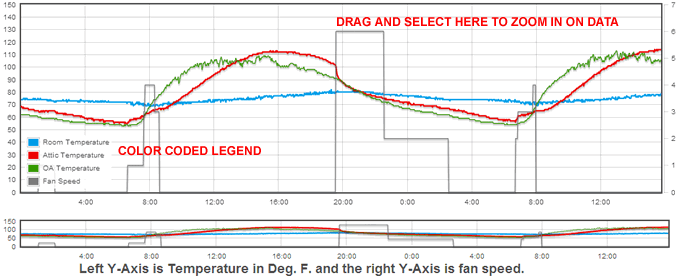
2. You can now download the historical whole house fan data to your computer by clicking the DOWNLOAD icon under the temperature graphics. The data is downloaded in “CSV” format which can easily be imported into Excel or other spreadsheet programs.