AirScape Engineer's Blog

All About Whole House Fans + bonus opinions on energy.

Browsing Posts tagged Sound

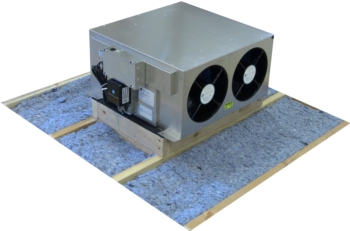
You may consider a raised frame for your 1.0 or 1.7 WHF for additional sound reduction. The raised frame increases the distance between the fan and living space. Like our ducted models, making the fan slightly more remote from the living space will decrease the overall sound level. The height of the frame will depend on the total vertical clearance of your attic. The construction is very simple and will add a few additional steps to your installation.


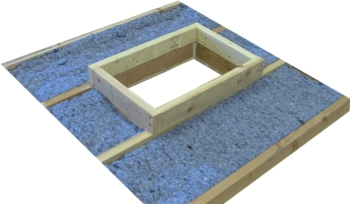
STEP 1: We made a raised frame using some scrap 2×4′s. The inside dimension is 14.5”x22.5” matching the framed opening. Secure the raised frame to the attic floor.


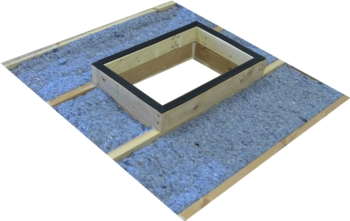
STEP 2:  Caulk all of the frame gaps and joints. Place the provided foam rubber gasket on top of the raised frame.


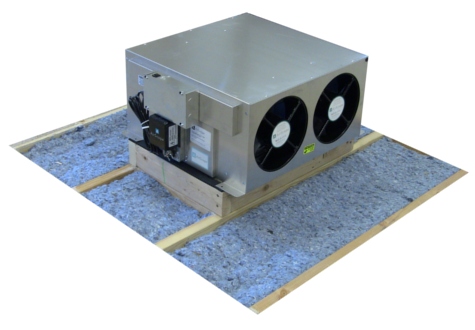
STEP 3: Secure the unit to the framing (1.7 WHF shown). From the living space caulk all gaps between the unit and the framing.


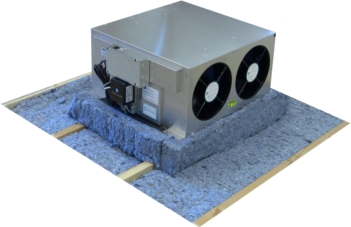
STEP 4: It’s not a bad idea to add some insulation around the raised frame. You can now follow the remaining steps in the installation and operation manual to finish your install.


PART 1 / PART 2


Your AirScape is already the quietest whole house fan on the market, but there are a few install techniques to make it even quieter. We’ve decided to dedicate a few blog entries to some techniques that will help with sound reduction.

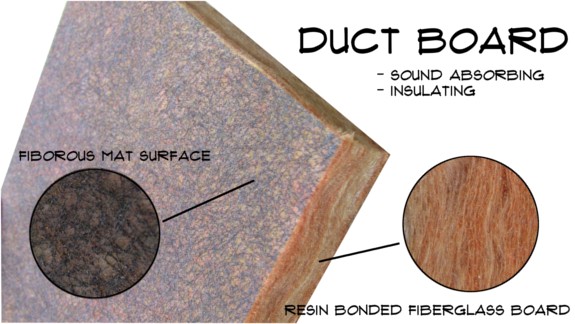
We’ll start with a simple installation step that works with all AirScape models. You can easily line the inside of the framed opening (between the unit and grille) with duct board. Duct board is a resin bonded fiberglass board that has acoustic and insulative properties. The fibrous mat surface of the duct board helps absorb sound and allows for the smooth passage of air. The fiberglass body of this material usually has an insulation value of R-4. The duct board can easily be installed in new or existing installations using either adhesive or screws and flat washers. In fact, we love this material so much we lined one wall of our new office with it (our lead engineer’s rants on energy efficiency, life, and politics are a little more muffled now).

Duct board resources:

http://www.specjm.com/products/ductboard/enviroaire.asp

http://www.owenscorningcommercial.com/data/products/product.aspx?id=271

http://www.certainteed.com/products/insulation/hvac-mechanical/317382


PART 1 / PART 2


Recently we have been using our new and improved sound testing chamber to make sound comparison videos of our different models. The shooting of these videos reminded us that the set up of the ducted models will make a significant difference in the CFM and noise levels. Basically, improper installation will decrease the unit CFM and increase the amount of noise. Some numbers for comparison:

AirScape 4.5 improper installation -  high 59 dBA / low 50 dBA

AirScape 4.5 proper installation -  high 55 dBA /low 46 dBA ……A 4 dBA difference!

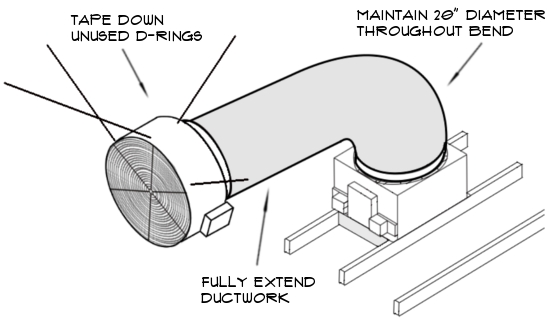
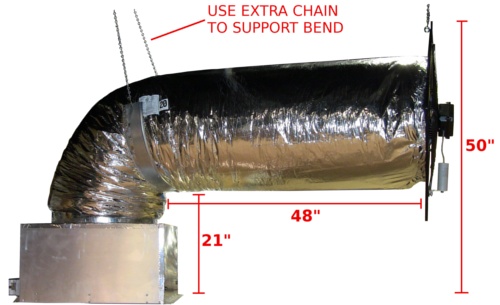
The photo above shows the correct install dimensions for the 4.5 WHF. You will notice that we have a nice even bend and the ductwork is fully extended (Note that we used an extra length of the provided chain to help support the bend). It is important to maintain the 20″ diameter of the duct through the 90 degree bend. This will ensure that you get unrestricted airflow through the duct and will help disrupt the sound waves. You also want to make sure the duct and fan are fully extended from the 90 degree bend. This moves the fan to the furthest point from the grill opening, thus decreasing the decibel level.

Airscape 2.5/2.5e installation: The install dimensions for the AirScape 2.5/2.5e are very similar. The duct should be 21″ from the attic floor. It should extend 44″ from the 90 degree bend to the fan (you may be able to extend it to 48″ if the bend is supported as shown in the photo above). The top of the fan should be 44″ from the attic floor.